
Interview
Thailand/Myanmar: “Community health workers provide us with invaluable support”
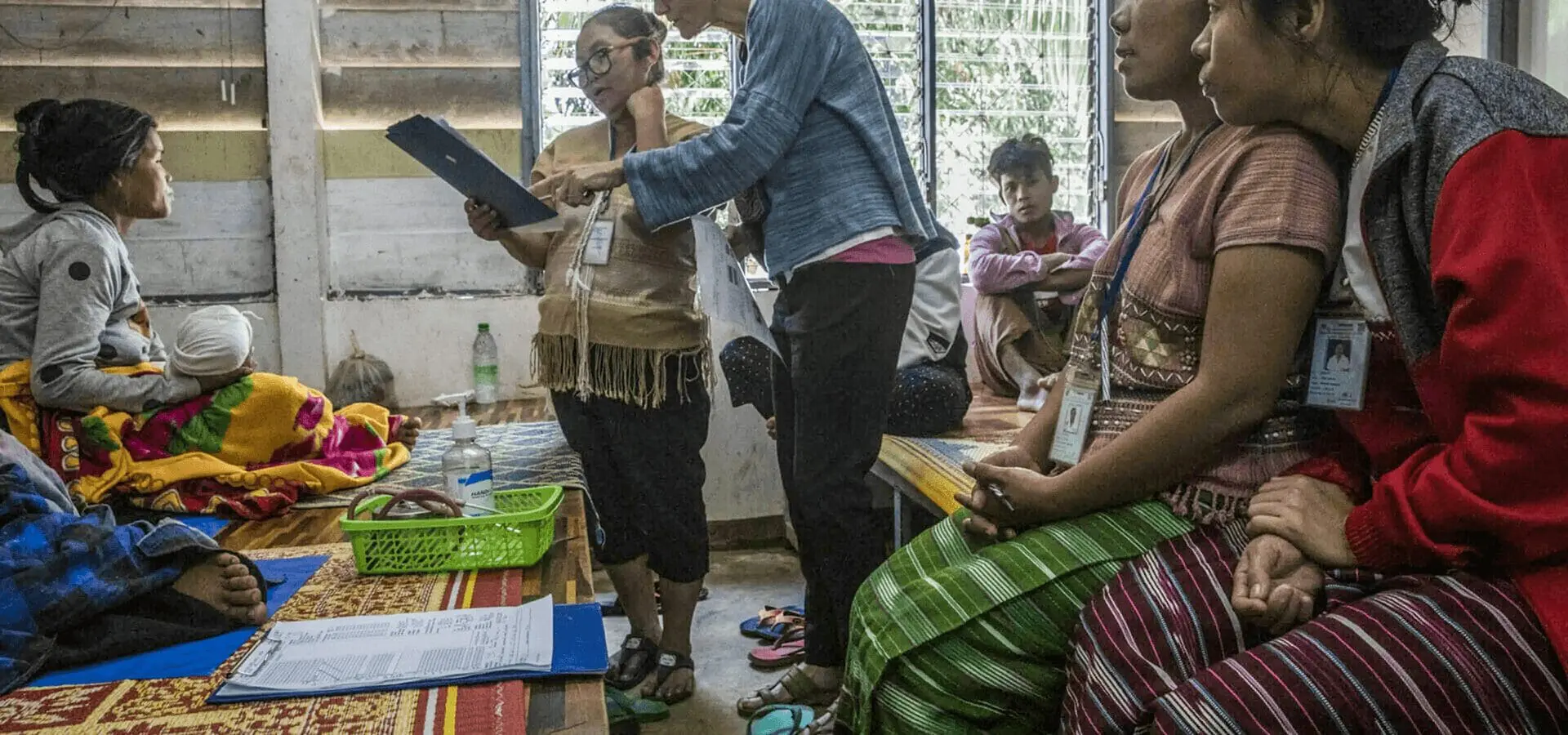
Every year, people fleeing conflict and the political and economic collapse in Myanmar arrive in the border region between Thailand and Myanmar. The Shoklo Malaria Research Unit (SMRU), in partnership with the Borderland Health Foundation (BHF), helps provide care for these marginalized people, many of whom are young women, mothers, and children. It receives support from L’Initiative, a facility implemented by Expertise France.
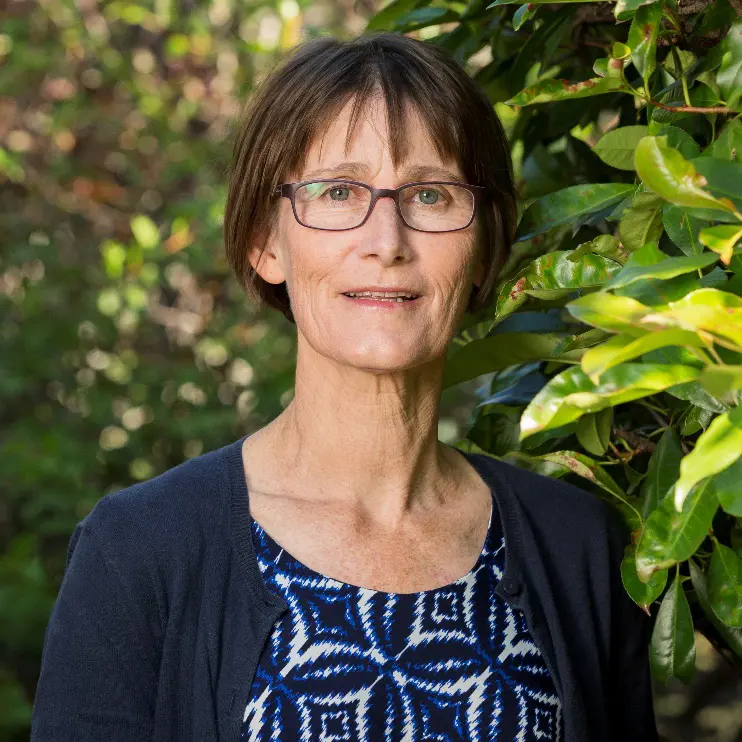
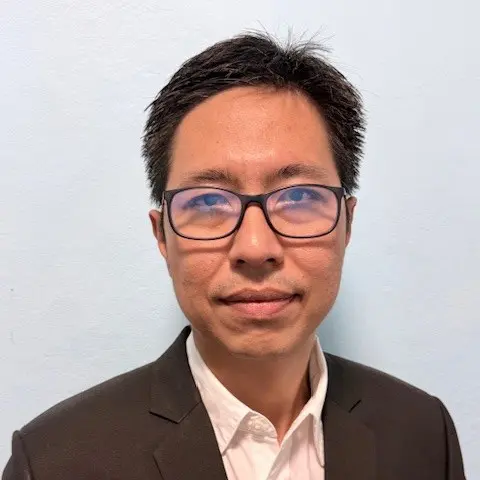
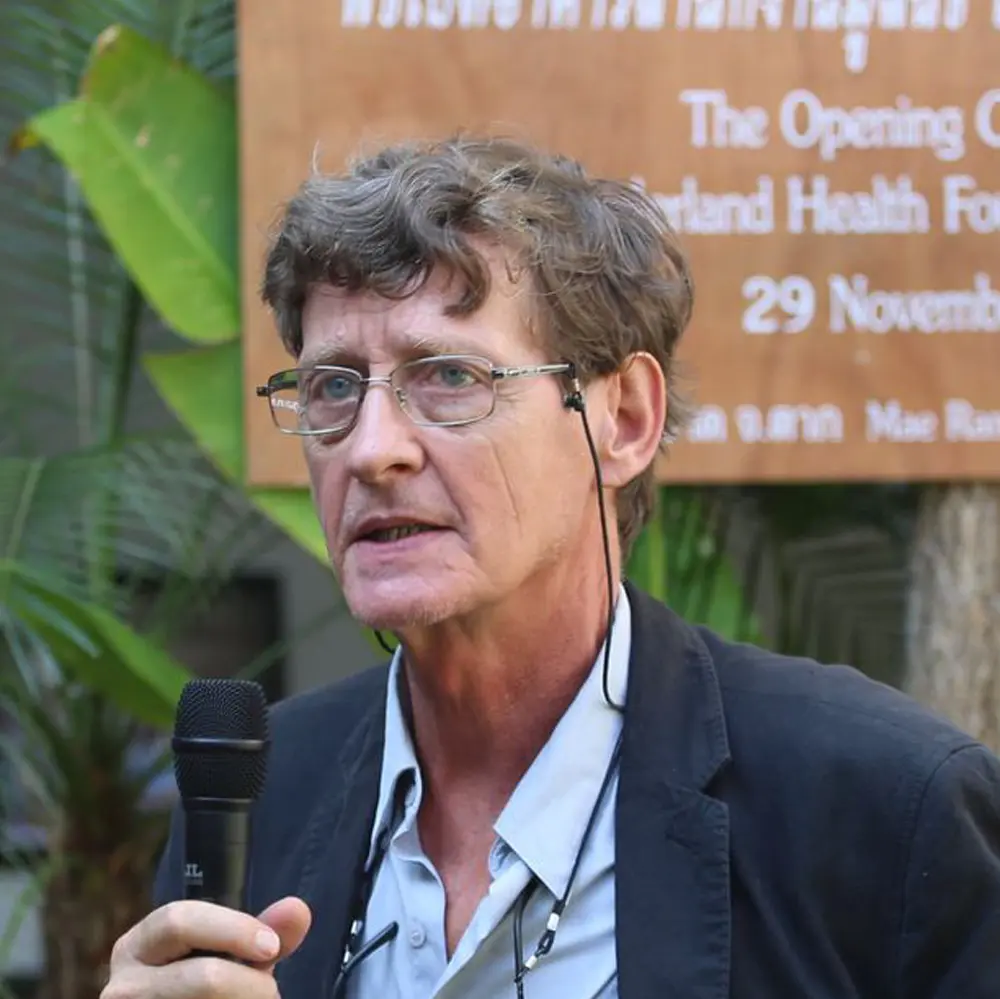
SMRU was founded in 1986 to provide emergency aid to refugees along the Thailand-Myanmar border. How have the needs of the people you care for changed?
F. N. Forty years ago, we were treating around 8,000 refugees at the border, many of whom had malaria. Today, our facility sees around 80,000 people who are no longer emergency refugees but migrants seeking to stay in Thailand to build a new life. Malaria is no longer a major problem, but maternal and child health and tuberculosis have become causes for concern.
Your organization has always produced academic research while providing emergency health care; is that still the case?
F. N. Yes, we see these as two sides of the same coin. We have demonstrated that certain anti-malarial drugs are well tolerated by pregnant women: our findings have led to changes in the World Health Organization’s recommendations. Our research informs the medical strategies underpinning our humanitarian work. It helps us verify what actually works on the ground so that we can make the best use of the limited resources at our disposal.
What are your current priorities?
R. M. Our number one priority is that women don’t die from pregnancy and childbirth. We try and help women make safe contraceptive choices, and, when needed, we help them get through their pregnancy and birth safely. We try our best to get them through situations of emergency, but we also try to be proactive and to raise awareness with the community, in a context where people are very challenged in their access to health care by the distance, the potential arrests of undocumented people, the cost of transportation.
How do you work with community health workers?
R. M. L’Initiative helped us to support the network of community health workers. They are not trained for complex medical procedures, but there is a lot of work to do to reach out to the community, to know what is happening on the ground, to convince women and girls to come and see us when something is wrong. Community workers play a major role in conveying and fighting misconceptions about health and hygiene, contraception, gender-based violence…
A. M. One in five of the pregnant women we see are teenagers. Community health workers are very important to get the message across, particularly to young women, about their rights to access contraception, even if they are not married; or against gender abuse, etc. We also disseminated a film on unwanted teenage pregnancies to open dialogue on family planning services for young people.
What is your relationship with the Thai health system?
A. M. Our medical equipment is limited, so in complex cases, we refer patients to the Thai health system. Thailand is now a developed country, with high-quality health standards and medical procedures. But many people we work with do not have a health insurance to cover medical fees, which can be an issue if they need to be referred to a public hospital.
What can be done to ensure people’s access to the full range of health care?
A. M. In our clinics, everything is free of charge. But if we have to refer people to a hospital, they have to pay the bill, which can be a difficulty. The M-Fund, supported by L’Initiative since 2022, is a health protection scheme for unregistered migrants and poor border communities, that can help with a more inclusive and sustainable model of care on the long term.
The M-Fund, supported by L’Initiative since 2022, can help with a more inclusive and sustainable model of care on the long term
R. M. We are very busy on the field providing health care. When we combine this with field research we can provide improved care. We have shown that raising awareness through campaigns in hard-to-reach areas can impact outcomes even with limited resources. Expertise France has a key role to play in this aspect, helping us convince donor organizations that highly effective health care can be provided at low cost, if you have the right people on the ground; for example, that contraception is often the most efficient and cost-effective prevention measure. We need help to work with local governments to ensure access to health care for all.
Interview conducted in March 2026