

Interview
Syria: “The health of mothers and young children is fundamental to the country’s future”
The people of northeastern Syria continue to suffer the consequences of a series of armed conflicts, which have destroyed civilian infrastructure and displaced more than one million people. The HERNES project, funded by the Ministry for Europe and Foreign Affairs and launched in 2019 in partnership with the NGO Mehad, is helping to rebuild essential health services in the region.
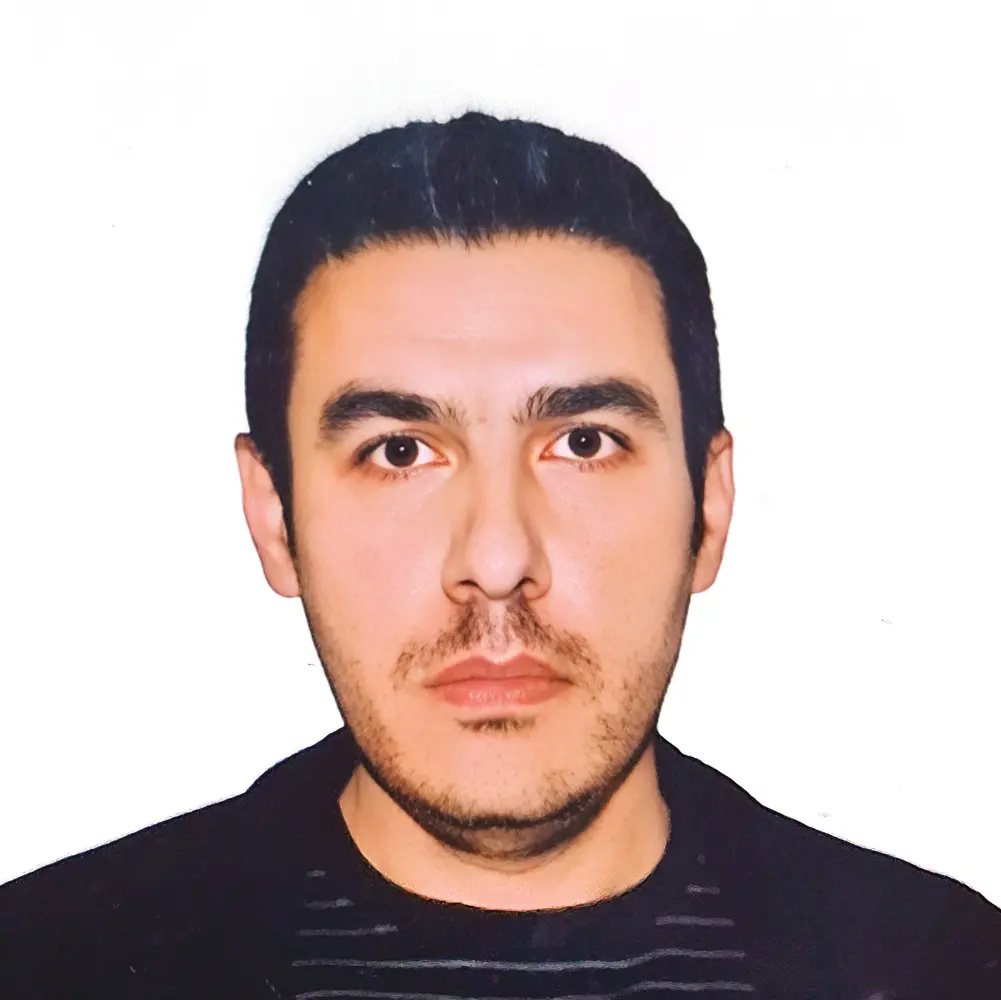
What is the current health situation in northeastern Syria?
Fighting continued in January 2026, particularly in the governorates of Deir ez-Zor and Raqqa. Every conflict situation affects residents’ living conditions and complicates access to essential healthcare: we faced an influx of people who were injured, traumatized, homeless, and lacking food, while some hospitals and maternity wards had to close due to the fighting. Some centers have been attacked, and in some cases looted. Meanwhile, babies continue to be born.
As we speak, the situation has stabilized, but most public health centers are not operational. The population remains dependent on NGOs and humanitarian aid for access to essential care. These challenges affect the entire country. Infrastructure remains weakened, with shortages of equipment, medicines, and supplies.
How do you organize your field operations?
Since 2019, the HERNES project has supported 18 facilities, including 6 health centers, 2 maternity wards, 4 mobile clinics, 1 dialysis center, 2 training centers, 2 dental clinics, and 1 medical waste incinerator. As part of the project’s fourth phase, we are currently supporting 2 health centers, 1 maternity ward, 1 training center, and 1 medical waste incinerator.

We focus on care for women of reproductive age, mothers, and young children, as they represent both the majority of people who come to us and the most urgent needs. Furthermore, from a public health perspective, health status during early childhood often determines health status throughout life. The health of mothers and young children is fundamental to the country’s future.
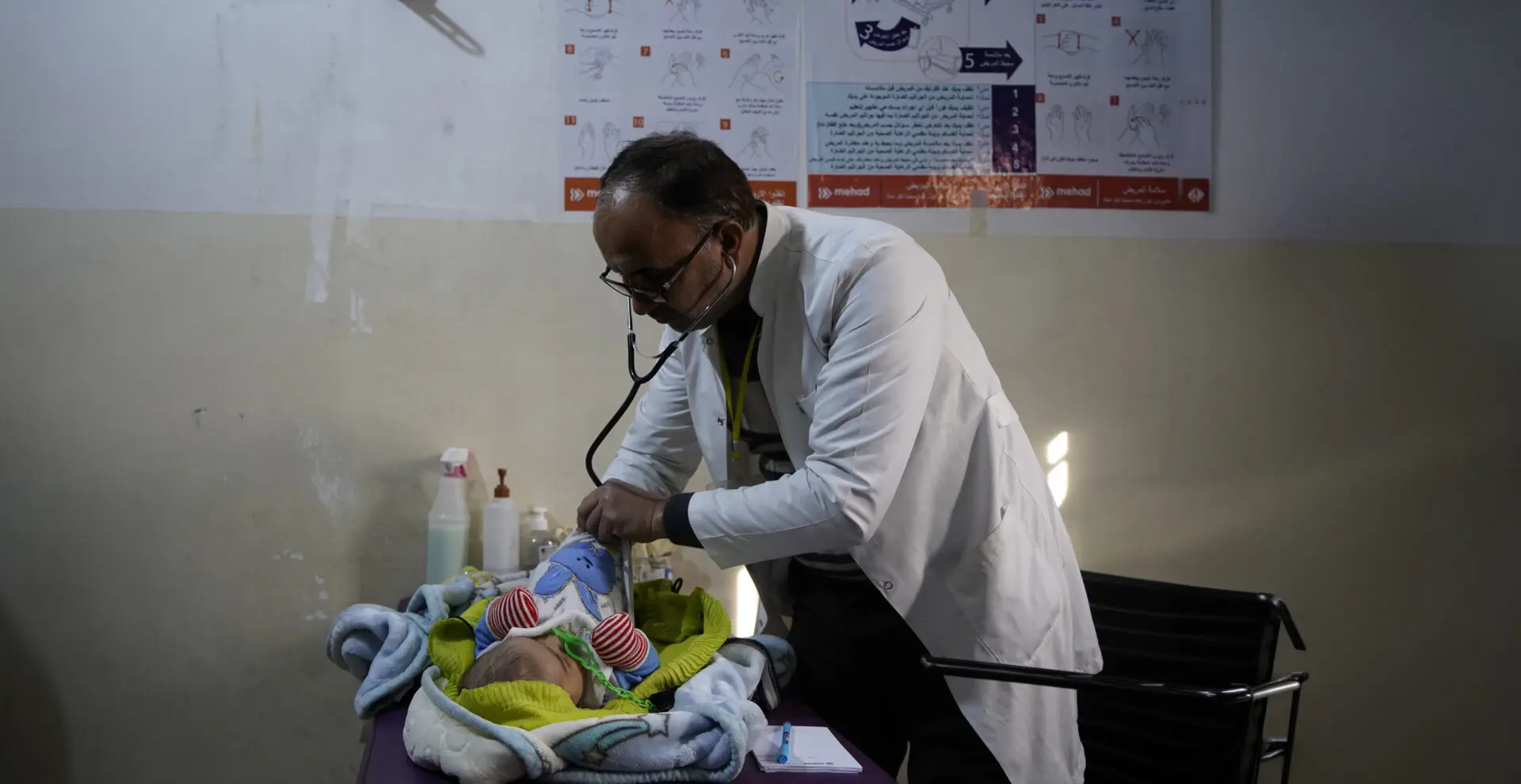
On the topic of maternal and child health, you collaborate with other stakeholders in the country. How do you go about this?
We work with all health sector stakeholders in northeastern Syria and across the country—including regional health authorities, and, since the change in the political landscape, the Ministry of Health, as well as NGOs and health professionals. Together, we are able to identify gaps and priorities and respond to emergencies.
You also train healthcare workers at your center in Raqqa. What needs are you addressing?
The country has lost many qualified healthcare workers and skilled managers. It is vital to train professionals at all levels: doctors—particularly pediatricians and gynecologists—nurses, midwives… We also train trainers who will be able to organize high-quality prevention and field care initiatives. We are now working to ensure the continuity of these initiatives, expand them to other specialties, and cover the entire country.
The fourth phase of the HERNES project is set to conclude in 2026. How are you preparing for the future?
Over the past few years, we have sought to bring about sustainable improvements to the Syrian healthcare system through staff training, facility rehabilitation, and equipment provision. We are currently formalizing our processes and work methods to establish clear reference documents for training and care. Displaced people are gradually returning home. Our goal is to ensure their access to basic health services so they can rebuild their lives.
Interview conducted in March 2026