
Interview
West Africa: “Our ocean holds immense wealth, which we must develop and govern together”
The blue economy represents a major development driver for coastal countries across West Africa. Confronted with the challenges of overfishing, biodiversity preservation, and climate change, the West Africa Sustainable Ocean Programme (WASOP)—funded by the European Union under the Global Gateway initiative—has supported these countries since 2025 in building a sustainable, inclusive blue economy. Expertise France handles the global coordination of the program.
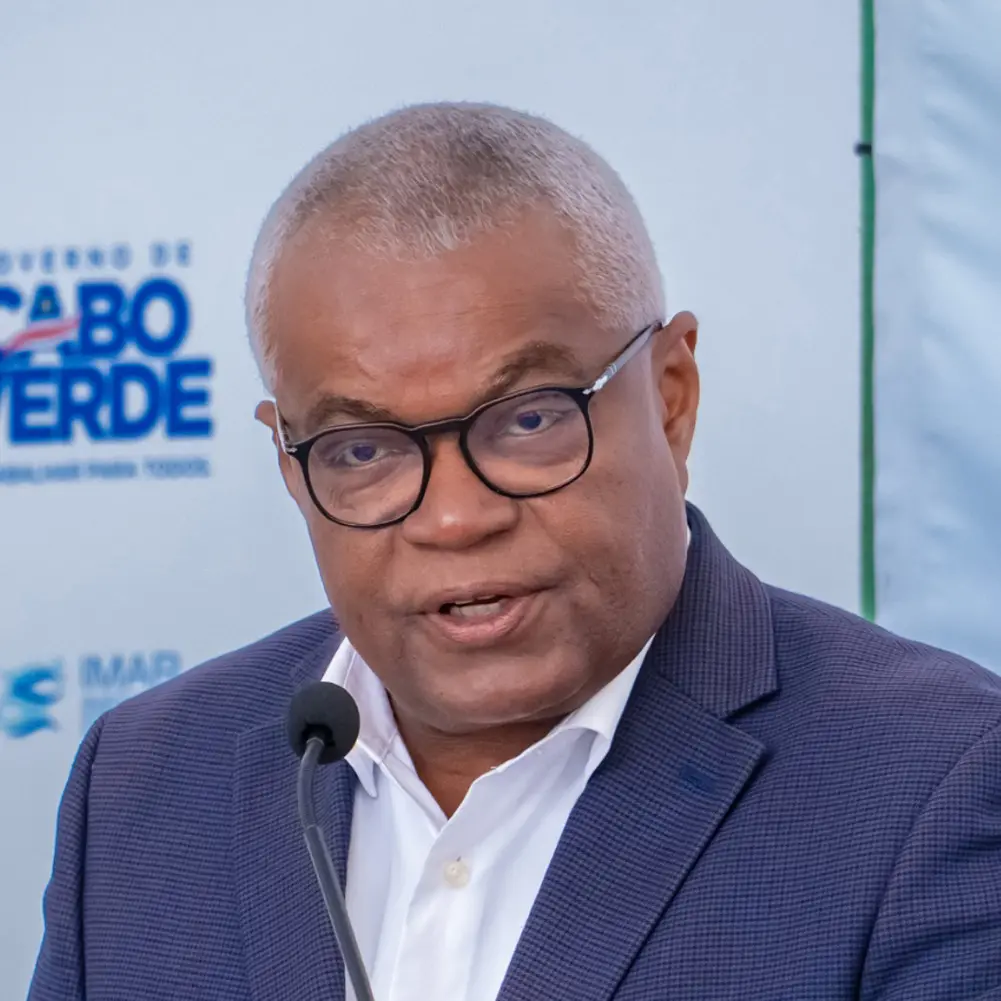
The regional directorate for the WASOP program is located in Cape Verde. Why did your country choose to play a central role in this initiative?
Cape Verde is an island nation situated in the middle of the Atlantic Ocean. In fact, 99.3% of our territory is maritime. Our economy has always depended on maritime trade and fishing, and, more recently, it has come to rely heavily on tourism. Our central Atlantic location makes us a natural crossroads, deeply open to the world, meaning regional cooperation is an essential requirement for our ongoing development. It was therefore entirely natural for us to step into a pivotal role within the WASOP program, which will help us deploy the right infrastructure and governance mechanisms.
What distinct opportunities does the blue economy offer Cape Verde?
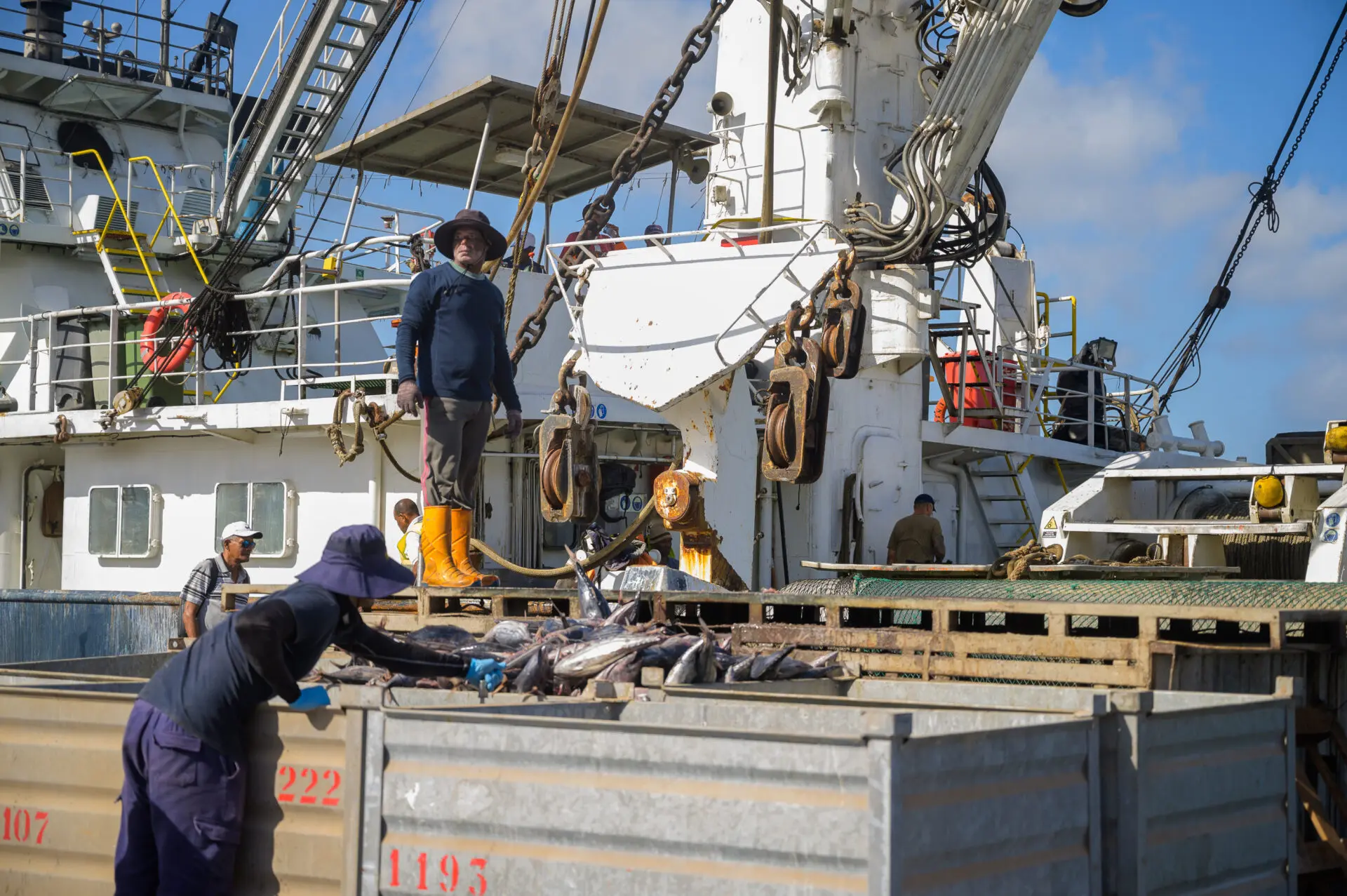
Our national maritime strategy pairs two complementary pathways for fisheries development: on one hand, consolidating coastal artisanal fishing via programs that improve fishermen’s living and working conditions; on the other, industrializing the sector by establishing logistics hubs, canning facilities, and commercial networks. For instance, we are looking both to develop artisanal longline fishing and to back investments in larger vessels capable of fishing for tuna beyond ten nautical miles. Both pillars will strengthen our country’s food security.
However, the blue economy is about much more than just fishing. We also plan to develop marine aquaculture, sports tourism, recreational boating, port infrastructure, maritime corridors, and renewable energy like solar and offshore wind. We are also scaling up seawater desalination to secure our drinking water and irrigation resources. The overarching goal is to diversify our economy to make it far more resilient.
What resources do you need to advance along these development paths?
We certainly need investment and physical infrastructure, but that is not all. Human capital is a foundational challenge: maritime workers, from artisanal fishermen to high-tech specialists, must have access to better training. To fine-tune our strategy, we also need a deeper understanding of our environment: our ecosystems, the wealth of our ocean floors, Atlantic currents, the impact of climate change on species, and the actual state of fish stocks. On this front, our oceanographic centers and the research projects backed by the WASOP program will prove exceptionally valuable.
Finally, combating illegal fishing requires us to improve data collection and sharing. We are currently deploying advanced surveillance tools, and we host the operational hub for Blue Justice, the international initiative against illegal fishing.
The technical assistance facility established by Expertise France promotes private-sector engagement in support of sustainable ocean industries
What progress does cooperation at the regional level and with the European Union enable?
Our ocean holds immense wealth, which we must develop and govern together. The sound management of fish stocks and the fight against illegal fishing, for example, can only succeed in close cooperation with neighboring coastal states.
These concerted actions require solid financing: in the spirit of the Global Gateway, we rely heavily on public-private partnerships and build strong relationships of trust with commercial and development banks. Cooperation with the European Union is absolutely crucial—not just for the direct grants it provides, but because it helps diversify our funding for the most innovative projects. The technical assistance facility set up by Expertise France under the WASOP framework (the “Blue Facility”) actively drives private sector mobilization toward sustainable ocean industries. Additionally, a regional call for project proposals with a 10-million-euro budget supports local pilot actions. These have high replication or scaling up potential, and are well positioned to unlock complementary funding, including from the private sector. We are also currently establishing financing mechanisms alongside African development banks such as the WADB and the EBID.
Interview conducted in March 2026