
Interview
“We mobilize French and European experts—that is our soft power”
They hold different positions in countries separated by almost everything. Yet, Maryna Moreau and Laurent Chabrut share a great deal of common ground in how they represent Expertise France. Both identify new opportunities, launch projects that mobilize diverse skill sets, and ensure these initiatives line up perfectly with local needs.
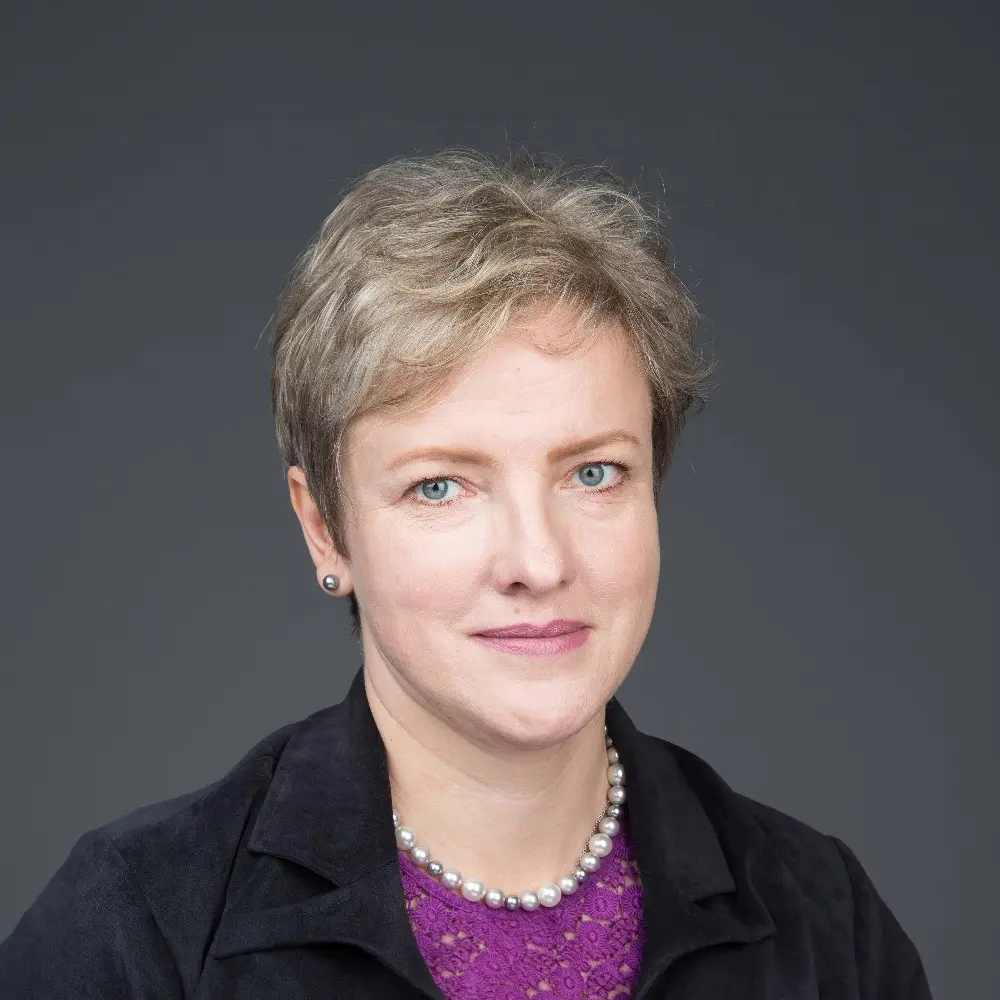
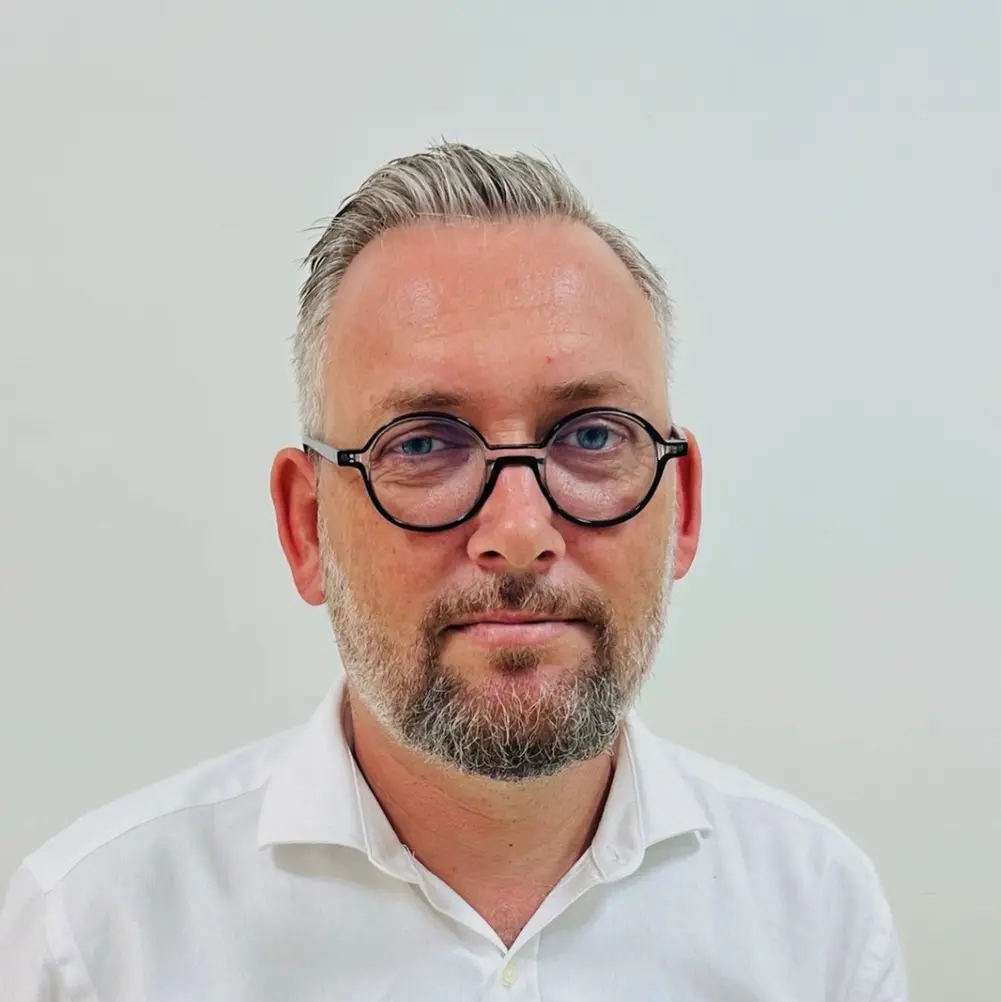
What are your respective responsibilities in your countries?
M. M. I simultaneously serve as the Green Economy Project Manager in Uzbekistan, Head of the Expertise France Tashkent office, and the agency’s official representative in the country. Our office hosts several flagship projects, including two Team Europe initiatives spanning all of Central Asia : one aimed at developing the Trans-Caspian Corridor and the other at expanding digital connectivity across the region. As Head of Office, I provide administrative and logistical support to these project managers. Parallel to this, my role as representative requires me to serve as the interface between our agency, Uzbek authorities, and other key stakeholders.
L. C. I am the Country Director for the Comoros, and I also serve as the Regional Coordinator for the Indian Ocean. In the Comoros, I run the office and its sixty staff members, while also supervising all project managers. Finally, I formally represent Expertise France before the Comorian government and other key stakeholders, notably funding partners like AFD and the European Union.
What professional posture do you adopt as a Representative or Country Director?
L. C. Expertise France is the sole European operator permanently established in the Comoros, due to historical factors and the sheer operational complexity on the ground. The archipelago is classified as one of the Least Developed Countries (LDCs) and faces deep challenges across agriculture, vocational training, entrepreneurship, infrastructure, and healthcare. We are therefore in a prime position to be proactive: identifying priority development areas where our intervention could be structurally transformative, and working to mobilize funding to get projects off the ground.
M. M. In Uzbekistan, we are far from the only operators. Expertise France has only been present here since 2021. Consequently, I frequently step outside my core role as Green Economy Project Manager to identify new development opportunities—and there are plenty. I work closely with the French Embassy, which pursues its own economic diplomacy goals. We mobilize a significant amount of French and European expertise and stakeholders for our projects. That is our soft power.
L. C. That is very true. In a country office, you never operate in isolation. Our ties to headquarters and to Expertise France’s technical departments are absolutely paramount. Maintaining and rethinking these links with technical directorates was one of the major challenges—and greatest successes—of decentralizing our operations and deploying country directorates. It has allowed us to sustain a positive, constructive headquarters-to-field dynamic.
In a country office, you never operate in isolation. Our ties to headquarters and to Expertise France’s technical departments are absolutely paramount
In your view, what unique added value does Expertise France bring to your host countries?
M. M. We are particularly appreciated for our ability to build peer-to-peer exchanges. For example, the Uzbek government needed to measure its greenhouse gas emissions to track its commitments under the United Nations Framework Convention on Climate Change (UNFCCC). We connected French specialists in this field with their Uzbek counterparts so they could co-develop a data aggregation platform.
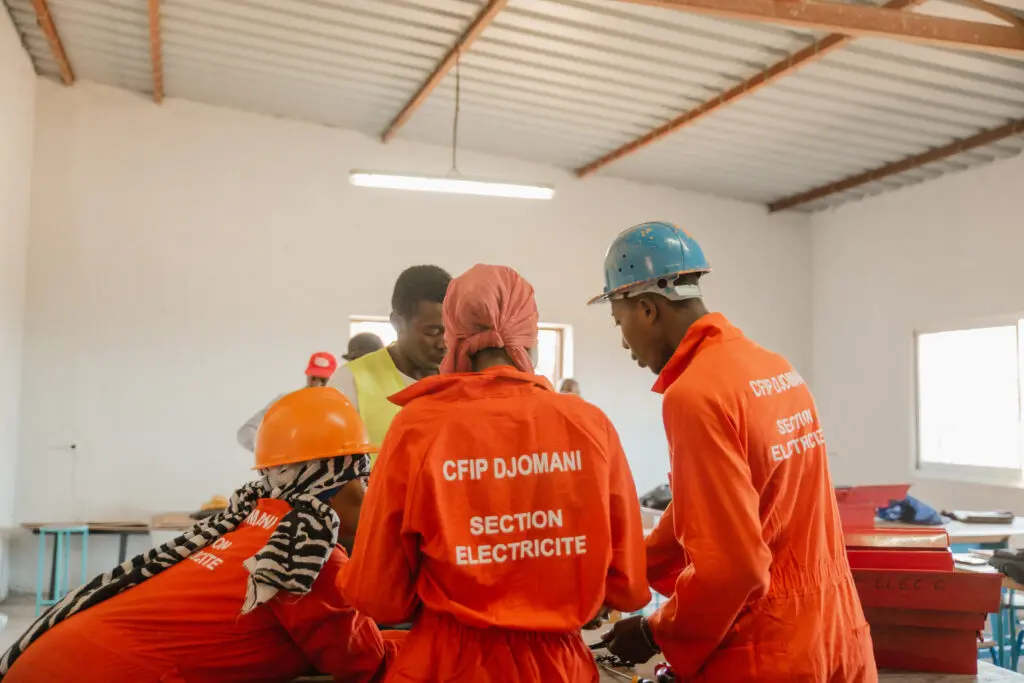
L. C. In the Comoros, one of our recent successes is supporting the construction of rural roads that connect farmers directly to production zones. Our role is to properly scope projects so that they durably address local needs. This structural impact is not always easy to quantify—especially when you are working on tax structures or environmental policies—but it is the very essence of our work: we work for the benefit of local populations, creating projects that can successfully thrive long after we are gone.
Interview conducted in March 2026