
Interview
Morocco: “The community spirit guides all our activities, whether we were born here or elsewhere”
The municipality of Belfaa, located in southwestern Morocco, welcomes a large number of migrants who have arrived primarily from Sub-Saharan Africa to work in the agricultural sector. The local Migrant reception and orientation bureau (BAOM) supports their integration by leveraging the town’s vibrant community and association culture. Expertise France provides guidance to the bureau under the Regional Program for Migration Initiatives (PRIM), funded by AFD.
What needs do the BAOMs meet in the Souss-Massa region?
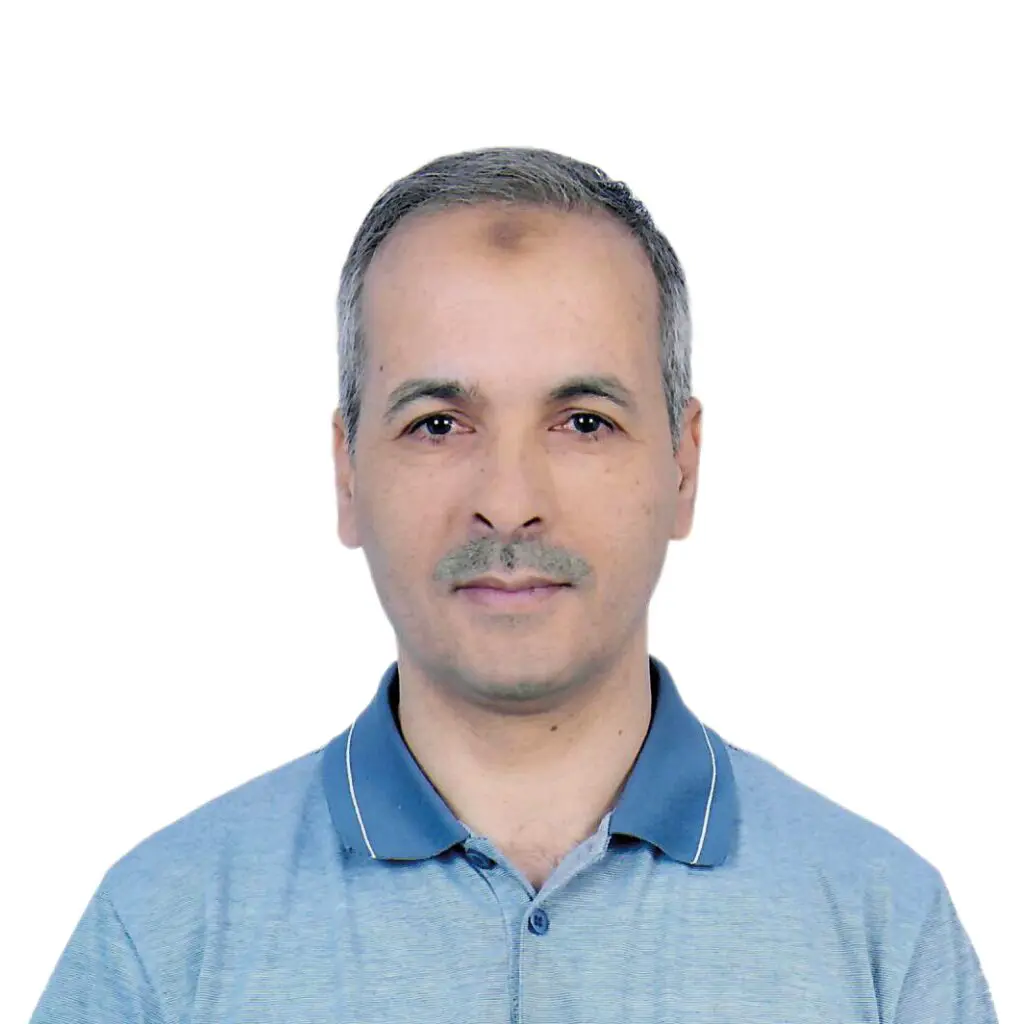
Our region is well-known for its agricultural sector, which exports heavily and faces a labor shortage. Many people have moved here to work, particularly from Sub-Saharan Africa. The BAOMs were established in 2021 to meet their needs upon arrival and to guarantee their economic and social rights, as well as their access to education and healthcare. We also organize numerous cultural and sporting activities to build connections between long-standing residents and new community members.
How did you build your roadmap?
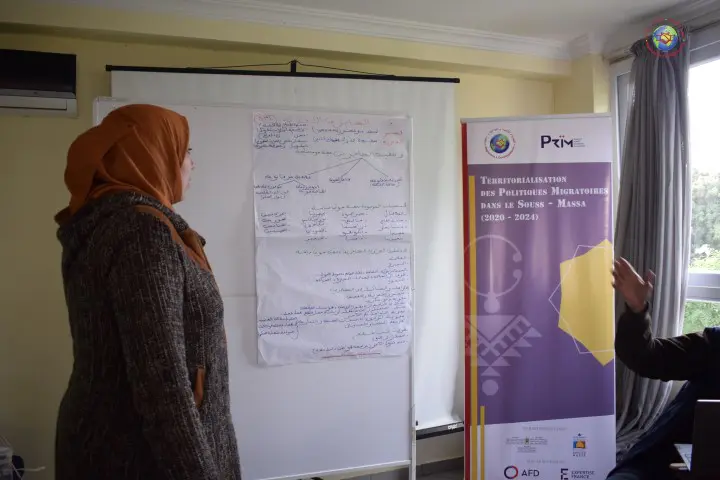
The BAOMs in Souss-Massa were designed in partnership with the Moroccan association Migrations & Développement using a “territorialization of migration policies” approach. Under this model, the central government delegates specific activities to the regional or municipal level to keep them as close to the population as possible. In fact, Belfaa’s residents—both old and new—participated in drafting our roadmap. We designed it together, which is crucial.
You recently refurbished a local municipal soccer field. How did that idea come about?
It all started with a soccer tournament organized with Migrations & Développement as part of the Regional Program for Migration Initiatives in Morocco (PRIM). The tournament was an excellent way to connect residents, but we noticed that Belfaa’s field was not fit for purpose. So, the following year, we helped the town’s youth submit a refurbishment proposal. The local Al-Taqqadom sports association, founded years ago by the young people of Belfaa, now manages the field through a framework agreement with the municipality. Today, we have a beautiful artificial turf field where we can host activities for local youth, allowing them to play soccer together and build friendships.
Associations seem to play a massive role in this project…
The community association spirit is at the very core of our local culture. It guides all our activities, whether we were born here or elsewhere. People carry this spirit with them even when they move abroad. For instance, it was natives of Belfaa living in Italy who founded the Italian diaspora association (Associazione di Solidarietà e Cooperazione). They maintained a deep desire to help their hometown, and they were the ones who submitted the grant application to Expertise France. In very practical terms, this project would never have succeeded without the volunteer commitment of local residents, the hours they spent on the construction site, and the materials they donated.
Expertise France’s support for the BAOM places a strong emphasis on improving gender equality. What steps can be taken in this area?
We have developed a natural reflex: for every project we launch, we make sure women have a full seat at the table. For this field, we encouraged co-ed soccer participation, a sport that is traditionally male-dominated in Morocco. Two local schools formed girls’ teams for the latest school tournament, setting a wonderful example for other girls in the village. Last year, 477 young people, including 126 girls, participated in our sports and awareness activities on the new field.

Do you think your approach could be replicated elsewhere in Morocco?
I hope so, but every municipality has its own unique characteristics. Belfaa chose to listen to local associations, dedicate staff and resources (including 480,000 dirhams for the soccer field), and mobilize funding from the State, NGOs, and foreign partners to make their projects a reality. Today, the PRIM program is wrapping up, and it is time to assess the results. We hope that the BAOM’s community-driven approach will be championed by the regional council and clear a path to the national level to be permanently institutionalized.
Interview conducted in March 2026