
Interview
Cambodia: “An International Technical Expert is there to listen, engage in dialogue, and be proactive”
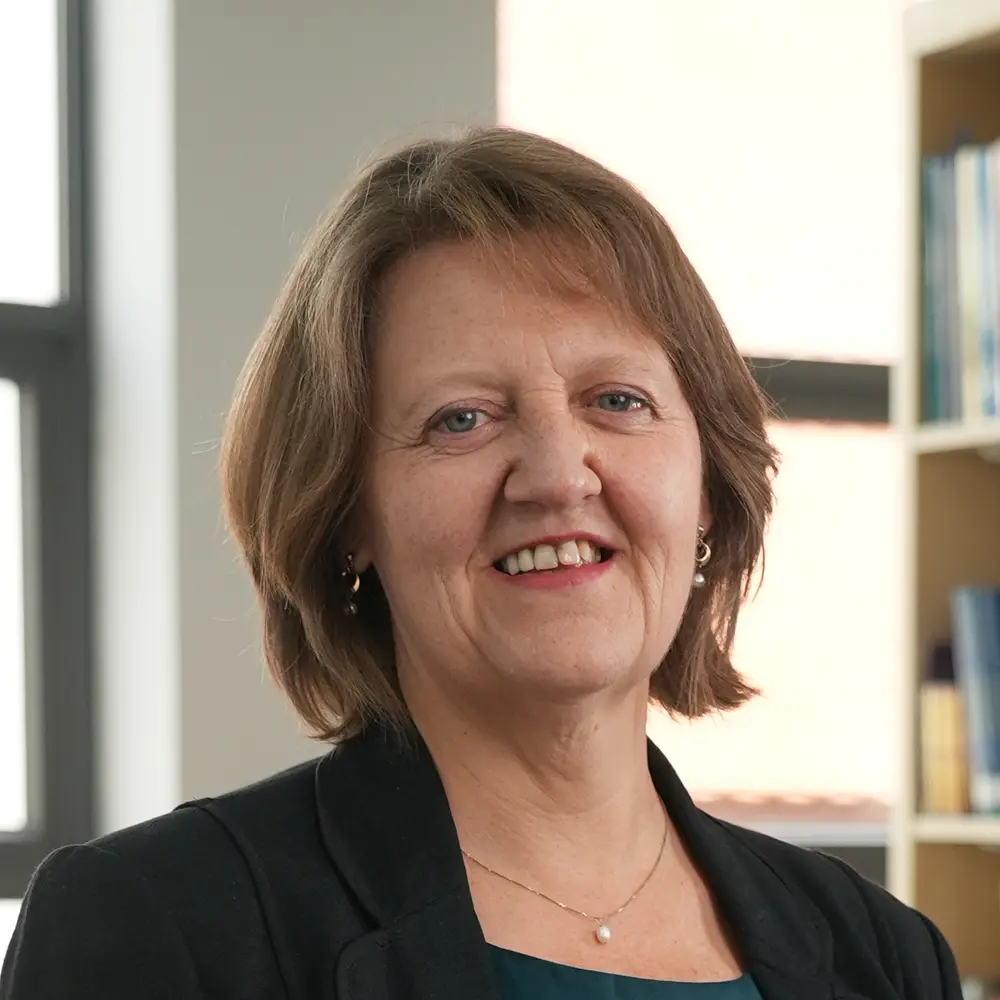
Expertise France helps deploy French technical expertise within national institutions and international organizations on behalf of French ministries. The goal is to foster cooperation projects across a wide range of sectors: governance, education, climate, health, and culture. Isabelle Bokhari, an International Technical Expert (ITE) in Cambodia since 2024, shares insights into her profession and its challenges.
What led you to become an International Technical Expert?
I have always been deeply fascinated by the world’s languages and cultures. Because of this, I decided early on to work in multicultural and multilingual environments. With an initial background in English studies and a Master’s degree in language didactics, I taught French as a Foreign Language (FLE) in England. Later, I worked as a teacher trainer in Pakistan within the country’s Alliance Française network. In France, I also coordinated training programs as well as linguistic and educational cooperation initiatives.
My passion for linguistic and educational policies led me to make it the focus of my doctoral thesis. My dissertation was a comparative study of two contexts supporting the Francophonie: Ghana and Vietnam—countries where I successively served as a French Cooperation Attaché and an Educational Cooperation Attaché at the French Embassy.
After working at the Center for Applied Linguistics at the University of Franche-Comté in Besançon, I now advise Cambodia’s educational authorities. Alongside fellow educational leaders and experts, I help implement the reforms envisioned by top officials in education and French-language instruction.
Today, you are an advisor to Cambodia’s Minister of Education, Youth and Sports. What does your job entail on a day-to-day basis?
On secondment from the French Ministry of National Education, I make my expertise and knowledge available to the Cambodian Minister of Education and his teams to help upgrade educational frameworks and curricula. An International Technical Expert (ITE) is there to listen, engage in dialogue, and be proactive with their peers. Upstream, this means co-building initiatives and facilitating decision-making; downstream, it involves supporting implementation alongside all relevant stakeholders.
My role is twofold: to help build human capital within the Ministry, and to support school governance reforms and curriculum revisions for school principals and teachers of French (and in French) at the secondary and university levels. Working with funding agencies and international organizations, our goal is to respond as precisely and effectively as possible to the requests expressed by our Cambodian partners and counterparts.
Concretely, what types of projects do you work on daily?
The projects and initiatives are incredibly diverse, as are the stakeholders—which is exactly what I love about my job. My primary counterparts are based in the Ministry of Education’s Foreign Language Bureau, the General Directorate for Planning, and the General Department of Teacher Training. At the National Institute of Education, I regularly collaborate with decision-makers, pedagogical directors, and professors.
For example, we are currently working to establish partnerships with French universities and institutions on projects centered on inclusive schooling, gender equality, and language didactics. A joint project is also being developed between the Cambodian Ministry of Education and the French-Cambodian Chamber of Commerce and Industry. The goal is to raise awareness among students and parents regarding the career opportunities offered by French companies operating in the country. Another collaboration under review involves a French EdTech company, Edumalin, which delivers an innovative pedagogy designed to improve student outcomes, particularly in mathematics. Naturally, I also connect regularly with the AFD agency in Cambodia, the French Embassy, and France Volontaires to explore and build synergies. Together, we design and implement projects to advance education, research, and French-language learning and instruction in Cambodia.
Do you always work in tandem or in teams with Cambodian officials?
Yes, most of the time. That is the whole philosophy behind co-construction. I also actively promote cooperation between my counterparts and the wider French and Francophone ecosystem. I am part of “Team France,” which brings together a diverse array of actors around the Embassy: the Instituts Français, the Alliance Française, the Institute of Research for Development, the Institut Pasteur, France Volontaires, and more. We build projects as a team for the benefit of students, teachers, and expert trainers. We also involve beneficiaries and experts from the broader Southeast Asian region in these initiatives, collaborating with organizations like the International Organization of La Francophonie (OIF) and the Association of Francophone Universities.
Learning French makes perfect sense when it is tied to higher education opportunities, specific careers
What is the status of French language instruction in Cambodia today?
Shortly after I arrived in the country, at the general assembly of the Association of French Teachers in Cambodia, the association’s president asked me to give a presentation titled, “Why learn French in Cambodia today?” This request felt quite telling; the answer to that question is not always obvious to everyone.
It is up to us, in our respective roles and as Francophones, to make the French language appealing to pupils, university students, and parents—who are often the ones choosing languages and fields of study for their children. In my view, it is about keeping these audiences informed and guided. Learning French makes perfect sense when it is tied to higher education opportunities, specific careers—in short, to the employability of the speakers.
The 20th Francophonie Summit will take place in Phnom Penh in November 2026. What are your expectations for this event?
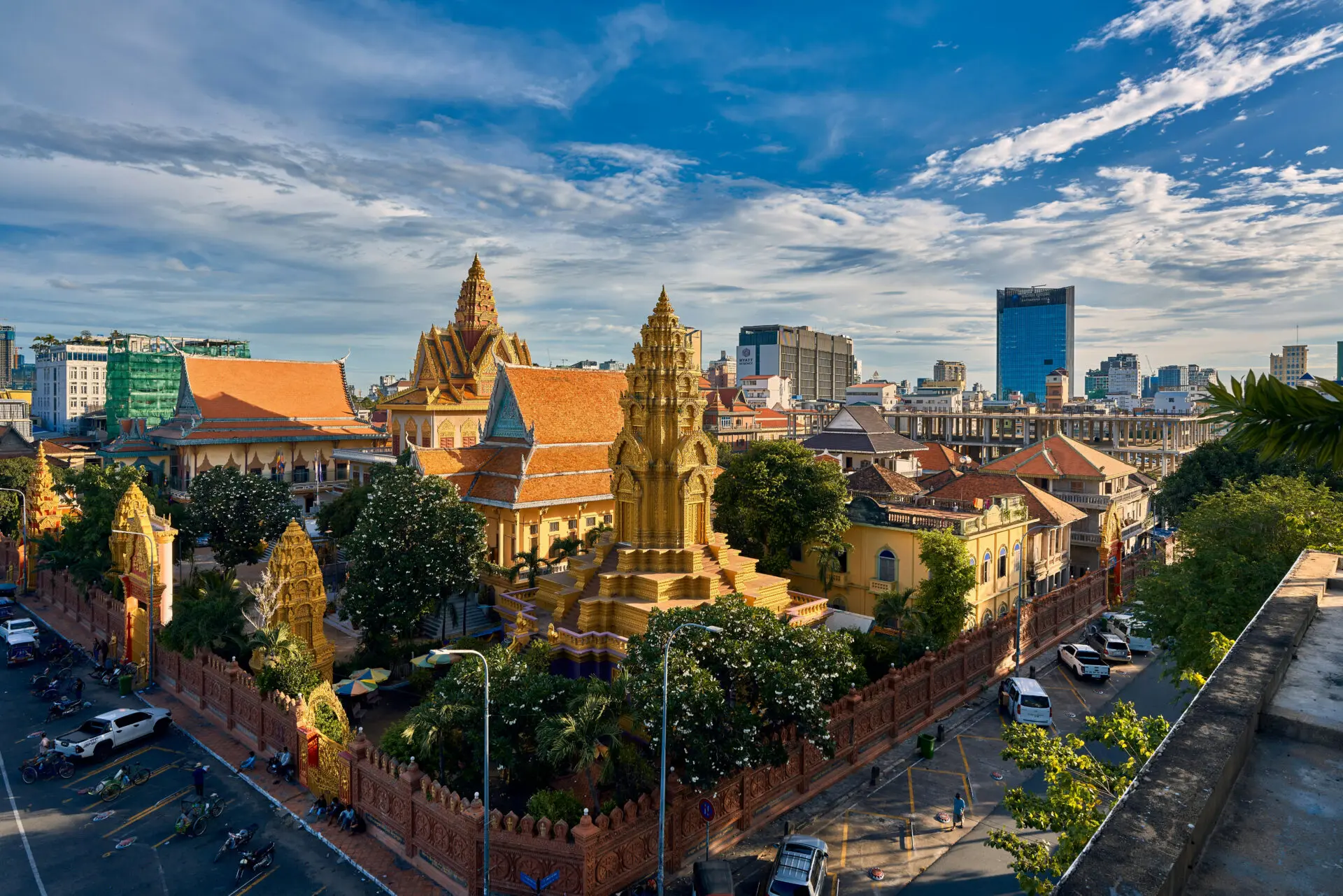
As we know, beyond sharing the French language, the Francophonie is a space for multilateral cooperation. By choosing to host this landmark summit, I believe Cambodia wants to showcase its cultural richness, for example in sustainable tourism, and to highlight its economic opportunities.
It is a massive event that should successfully connect ecosystems and forge new political, economic, and cultural partnerships among countries that share French as a common language. To echo the words of the Alliance of Francophone Corporate Leaders: “In a fragmented economic landscape, the 20th Francophonie Summit will offer an exceptional advantage, providing shared reference points and streamlined exchanges to create concrete opportunities.” This collective milestone, gathering 90 member states, associate members, and observers, will be vital for both the future of Cambodia and the future of the Francophonie.
Interview conducted in March 2026